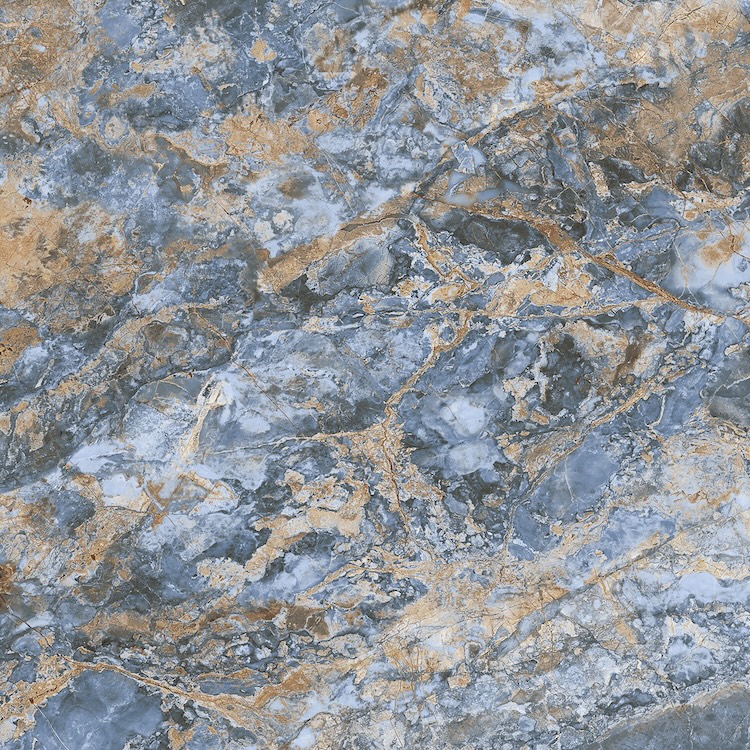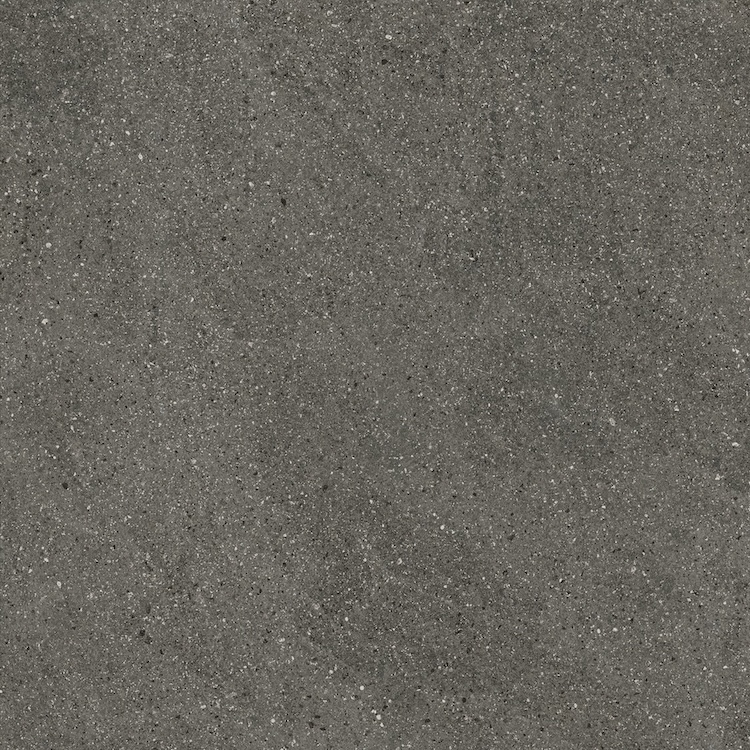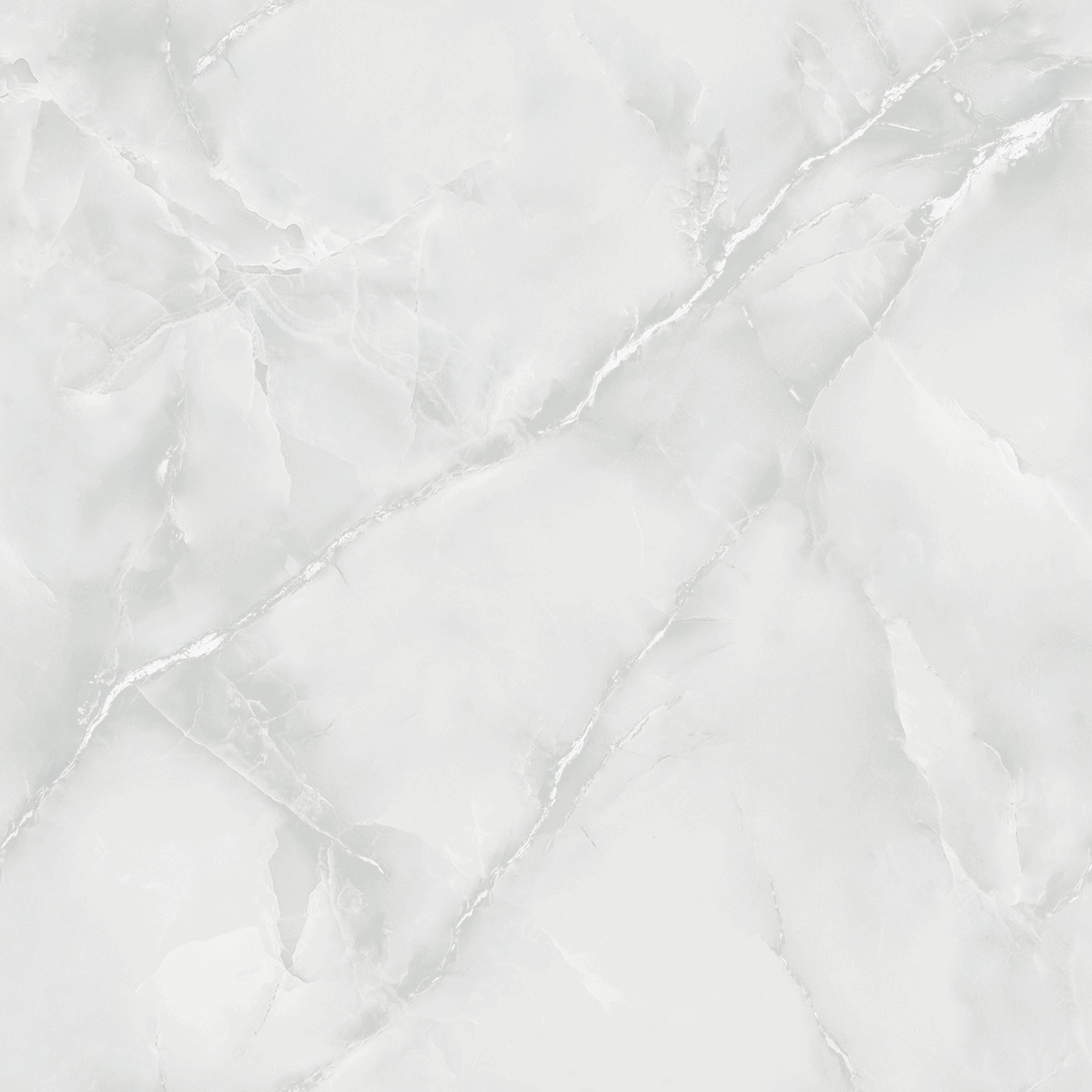





Granite is a popular natural stone used for various interior elements, such as kitchen countertops, bathroom walls, and flooring. Its beauty and strength make it a favorite choice for many homeowners. Therefore, it's crucial to know how to properly clean limescale from granite to ensure it remains clean, shiny, and long-lasting.
There are several methods you can apply, from using natural ingredients like vinegar and warm water to leveraging effective household items like baking soda. This article will provide a complete guide to tackling limescale on granite efficiently and safely without damaging its surface.
Effective Ways to Clean Limescale from Granite
1. Use a Vinegar and Warm Water Solution
The white film that often appears around sinks, showers, or backsplashes is typically caused by mineral deposits, especially calcium, which accumulate from constant water splashes. One of the simplest and most economical ways to clean limescale from granite is by using a mixture of white vinegar and warm water. Combine both ingredients in a 1:1 ratio and pour the solution into a spray bottle.
Spray the solution directly onto the granite surface with limescale buildup and let it sit for 5 to 10 minutes. This allows the acid in the vinegar to soften the stubborn mineral deposits. Afterward, gently scrub the area with a soft-bristled brush or a non-abrasive sponge to avoid scratching the surface. Rinse with clean water and dry thoroughly with a microfiber cloth to prevent new water spots from forming.
2. Apply a Baking Soda Paste for Tougher Buildup
If the limescale on your granite is thick and difficult to remove with the vinegar solution, a baking soda paste can be a highly effective alternative. Baking soda has mild abrasive properties that can lift dirt and deposits without damaging the stone. Mix baking soda with a small amount of water to form a thick paste, then apply it directly to the affected area.
Let the paste work for 15–20 minutes, allowing its alkaline properties to loosen the mineral structure. You can cover the area with a damp cloth to keep the paste from drying out. After letting it sit, gently scrub with a soft-bristled toothbrush. Be sure not to apply too much pressure to keep the granite surface safe.
3. Use pH-Neutral Soap and a Specialty Brush
For routine maintenance to keep your granite clean and free of buildup, it is highly recommended to use a pH-neutral soap. This type of cleaner is specially formulated to not damage the natural chemical structure of granite. Mix the soap with warm water and apply it to the surface using a microfiber cloth or a soft-bristled brush.
Evenly scrub any areas that look dirty or show early signs of limescale. A pH-neutral soap can effectively clean dust, stains, and light buildup without causing scratches or damaging the granite's protective sealant. Avoid using regular dish soap, harsh detergents, or all-purpose cleaners containing aggressive chemicals, as they can slowly etch the stone's surface.
4. Utilize a Specialized Mineral Deposit Cleaner
If the limescale on your granite is extremely stubborn and persists despite trying natural methods, consider using a commercial cleaner specifically designed for mineral deposits like calcium, lime, or rust. These products are formulated to tackle limescale that has built up over a long period.
Ensure you choose a product that is safe for natural stone and does not contain harsh chemicals like hydrochloric acid or phosphates, as these substances can etch the granite and permanently damage its appearance. Follow the instructions on the product label—typically, you just need to apply the solution to the affected area, let it sit for a few minutes, then scrub and rinse until clean.
5. Break Down Buildup with a Steam Cleaner
For limescale that is heavily built up, hardened, and has been present for years, a steam cleaner can be a highly effective and safe solution. This device uses hot vapor to break down the bonds of minerals and dirt without the need for chemicals. Aim the steam cleaner's nozzle at the area with buildup from a distance of about 10–15 cm (4–6 inches).
Once the hot steam hits the surface, use the cleaner's brush attachment to scrub gently. The steam helps loosen the limescale, making it easier to lift without damaging the granite. After the process is complete, dry the area thoroughly with a clean cloth to prevent any remaining moisture from causing new buildup.
Keep Your VELLINO Granite Tiles Clean and Well-Maintained
The best approach to removing hard water deposits from granite tiles is to start with the gentlest cleaning method.
Remove loose dirt, use a suitable cleaning solution, allow the residue to soften, then rinse and dry the surface thoroughly.
For tougher mineral deposits, use a specialized cleaning product that is clearly compatible with glazed porcelain tiles and follow the manufacturer's instructions.
Avoid immediately using vinegar, abrasive materials, steel wool, or overly aggressive treatments simply because the deposits are difficult to remove.
If you want to learn more about the characteristics and surface finishes of your tiles, explore the VELLINO Granite collection.
If a tile has sustained permanent damage and needs replacement, use the VELLINO Store Locator to find a nearby retailer. Confirm the product name or code and stock availability before visiting.
FAQ
How Do You Remove Hard Water Deposits from Granite Tiles?
Start by removing dust, then use warm water and a suitable pH-neutral cleaner. For tougher deposits, choose a mineral deposit remover that is explicitly compatible with your tile type.
How Do You Remove Limescale from Granite Flooring?
Soften the deposits using a cloth or microfiber cloth dampened with a suitable cleaning solution, following the product instructions. Gently wipe the area with a non-abrasive sponge, then rinse and dry the surface thoroughly.
What Hard Water Stain Removers Are Safe for Granite Tiles?
Choose products that specifically state compatibility with glazed porcelain tiles or the installed surface finish. Also, pay attention to dilution instructions and compatibility with grout.
Can Vinegar Be Used to Remove Hard Water Deposits?
Vinegar is not recommended as a universal cleaning method because it is acidic and may not be compatible with all tile types, surface finishes, grout, or surrounding materials.
Can Baking Soda Remove Hard Water Deposits?
Baking soda has mildly abrasive properties. It should not be your first choice, particularly on surfaces where scrubbing could alter the finish.
How Do You Clean Water Stains from Granite Tiles?
For light water stains, use a microfiber cloth and a suitable cleaning solution. Then rinse and dry the surface thoroughly to prevent mineral residue from remaining.
Why Do Water Stains Reappear After Cleaning?
Water left to dry on the surface can leave behind mineral deposits. Cleaning solution residue may also cause visible marks, making thorough rinsing and drying essential.
Are Hard Water Deposits and Mold the Same?
No. Hard water deposits are caused by mineral buildup or residue, while mold is a type of microorganism that grows in damp environments. Each requires a different cleaning approach.
Are Steam Cleaners Safe for Granite Tiles?
Steam cleaners should not automatically be considered safe for every installation. Check the recommendations for the cleaning equipment, tiles, grout, and surrounding materials before using heat and steam pressure.
How Can You Prevent Hard Water Deposits from Returning?
Dry surfaces after exposure to water, clean residue regularly, repair dripping faucets, and maintain proper ventilation to help wet areas dry more quickly.
Popular Products